This article contains sensitive content. If you or someone you know is struggling, help is available. Call 800-799-SAFE (7233) or text “START” to 88788. For immediate danger, dial 911.
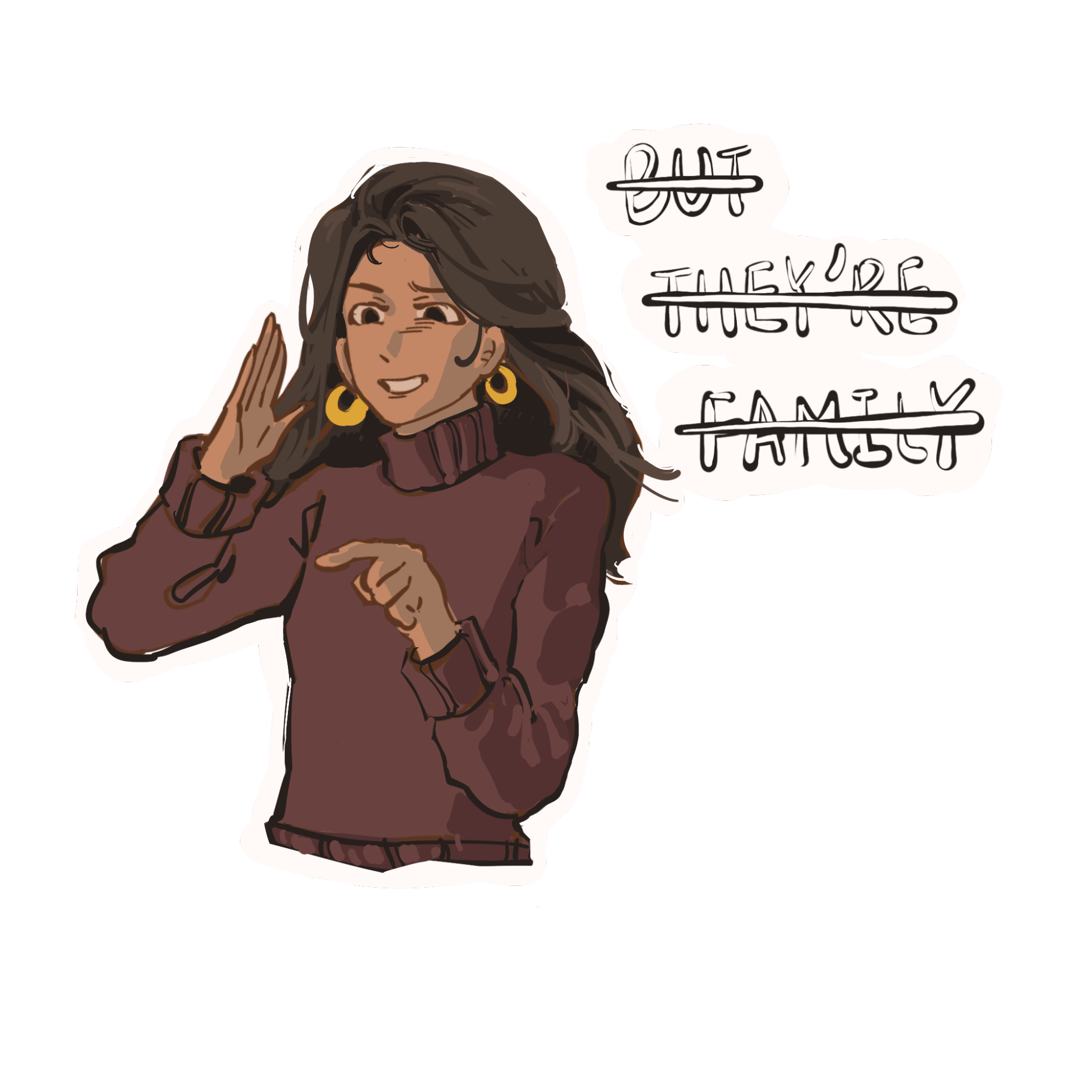
“But they’re family.”
Over and over I have heard these words growing up, to the point where I nearly believed them. After every snide comment, vulgar text message and continued demeaning, justification came in the form of a familial connection; a bloodline seemed to be the one exception where anything was tolerated.
Sure, every family is different. Different in size, in customs, in values. And while this excuse has persisted across many generations, it is a cycle that must be broken.
Abuse is defined as the repeated, violent and cruel treatment of someone, and can occur physically or psychologically. Regarding abuse in the family, most people think of the most common forms, such as domestic violence from a parent or sexual harassment from a partner. However, much more is encompassed within this.
A USC study reports that family, including in-laws and other extended members, are the most common perpetrators of abuse, with 35 percent of those instances being emotional abuse. For example, abuse from in-laws during pregnancy has affected over 15 percent of women around the world. These forms of abuse are often normalized and underreported.
From a young age, I have witnessed the detrimental toll such abuse carries, a toll that can cost lives (and nearly cost those of people I love). The weight-related comments from the relatives I only saw once a year. The “jokes” I was supposed to tolerate because “they’re old and aren’t used to modern behavior.” The expectations that were supposed to be fulfilled for someone who never saw the generosity, sacrifice or humanity of their provider.
From a young age, we are taught to stand up for what is right, to self-advocate, to escape a harmful situation to the best of our abilities. If someone hurt you detrimentally, even if they were a best friend, we are taught to leave in order to prioritize ourselves and our own well-being. We are taught this by teachers, by friends, and our own parents. So why should harmful comments from family members be treated differently?
When I hear “but they’re family,” I remind myself that I’m family too, and clearly that did not matter to the abuser. Family is centered around love, respect and support. Family is laughing with a grandparent at the dinner table, not feeling insecure during meals. Family is being thanked for all that you’ve done, instead of one thing you haven’t.
Of course, this doesn’t necessarily mean that you are owed expensive birthday presents or quarterly visits. It doesn’t mean perfection at every corner or quantifying what you get. But it certainly doesn’t mean mistreatment or ungratefulness. It certainly doesn’t mean giving demands after tearing down someone’s sanity. It doesn’t mean capitalizing off of the highs and leaving during the lows.
The truth is that any level of disrespect, even those that may fall short of categorized abuse do not need to be tolerated. Someone’s presence is meant to be appreciated, not misused.
And yes, there are always rough patches, even with loved ones. Yet, there is still a stark difference between momentary flaws or conflicts and continuous toxicity.
I have two sides of relatives, but only one is family to me. I have people who don’t share a single piece of DNA with me yet have treated me as a daughter.
Because family is not defined by blood, and I would choose one person who sees my worth over a million who make me feel worthless.
Don’t mind what others say.
Life is far more than a free pass to be wronged by a group whose only true connection to you is shared DNA.
If you would like to voice your opinion on an issue you feel is relevant to our community, please do so here. Anyone is able and welcome to submit a Letter to the Editor, regardless of journalistic experience or writing skills. Submissions may be published either online or in a print issue.