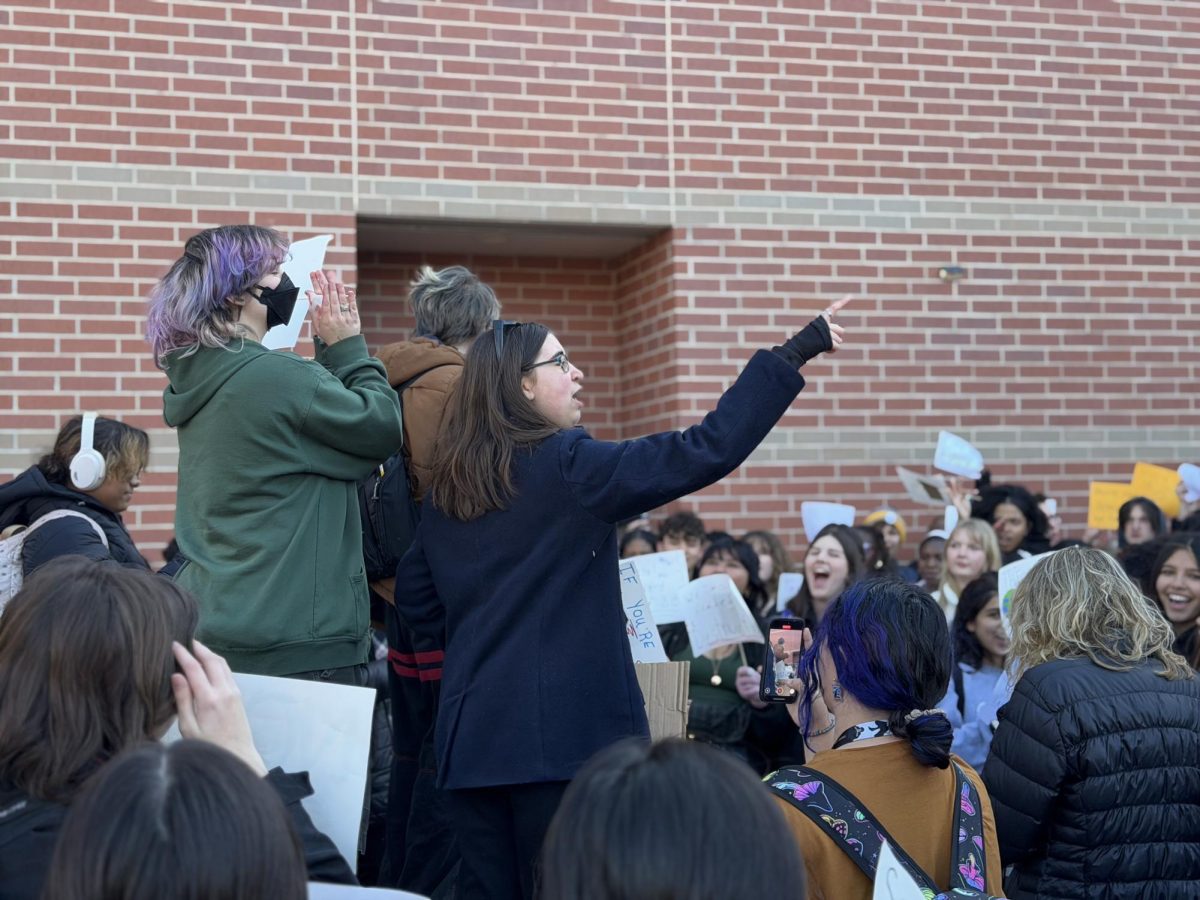
A commotion was rippling through the hallways of RM. On a freezing afternoon this January 20, student protest organizers ran from classroom to classroom, nodding through windows to signal, “it’s time.” Crowds spilled down the stairs, as protesters filed outside the school with their signs raised and voices louder than the intense windchill that day to protest Immigrations and Customs Enforcement (ICE). The protest was not convenient nor comfortable, but that’s exactly the point.
Protests are not meant to fit in with schedules or be organized with perfect conditions; even when in collaboration with school administration to ensure safety, they are meant to interrupt and demand attention, showing that students are willing to step outside of their routines and comfort zones to fight for what they believe in.
RM’s Free America Walkout, combined with similar movements across MCPS – including at Montgomery Blair, Walter Johnson, Watkins Mill, Bethesda Chevy Chase and Gaithersburg high schools – sends a meaningful message that ICE’s cruelty will not be tolerated by students. “The point of protest is to make people uncomfortable. If you’re not making people uncomfortable, you’re not going to change their minds,” IB Global Politics teacher Noah Grosfeld-Katz said.
People often challenge the legitimate impact of protests like these, questioning how chants and cardboard signs could lead to genuine change. They argue that ICE will not leave just because students are shouting from their schools. The truth of the matter is that students already know this, and pretending they don’t is both disingenuous and undermining their willingness to stand up for what they believe in. Protests are not magical wands, rather pressure points and a sign of a healthy democracy. They build awareness and normalize dissent, reaching local news attention and showing a united front for specific and actionable policy change.
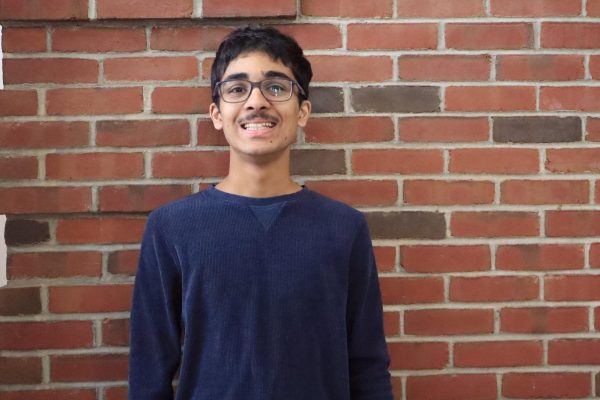
Just as importantly, they also galvanize the protesters themselves, reminding them that they are not alone in their fear and frustration. “It’s really important to me, at every protest I’ve been to, to see other people’s faces, knowing that they care about the same issues that I do,” junior Oliver Lin said. This community-building often extends civic engagement by providing both hope and determination. “There is value in any protest, even if it doesn’t work at that moment,” Mr. Grosfeld-Katz said. “Just the feeling of empowerment you get being amongst like-minded people is important for prolonging the movement. It’s important for psychological energy, to know you’re not alone and to know you’re supported.”
This unity is especially relevant in light of recent fears surrounding ICE. Early last year, the Trump administration’s directives ended longstanding protections to limit ICE arrests in sensitive areas, which included schools. Now, ICE has been reported around many areas in Montgomery County. “It’s happening in my community, it’s happening in everyone’s community, and that’s definitely something that we all should be worried about,” Lin said. “I want to help preserve the ideals of freedom that America is perceived to have. That freedom simply does not exist when innocent people are being taken away and killed without due process.”
In moments like these, protests matter because they refuse silence. They show students’ deep understanding of national issues and inability to stay quiet when their communities are affected. Every chant, cardboard sign and walkout across MCPS is proof that injustice will not be tolerated and that civic responsibility is not something only learned in history class, but something that we must live through every day.
If you would like to voice your opinion on an issue you feel is relevant to our community, please do so here. Anyone is able and welcome to submit a Letter to the Editor, regardless of journalistic experience or writing skills. Submissions may be published either online or in a print issue.