

Ongoing decisions and changes regarding Supplemental Nutrition Assistance Program (SNAP) benefits, which are provided to Americans in need to help them put food on the table, have shaken up the lives of families across the country, including throughout Montgomery County. The uncertainty over the future of the program, along with mass government layoffs disproportionately affecting local residents, have led to increasing food insecurity in the county, with thirty-four percent of Montgomery County residents, including forty-five percent of children, being food-insecure, meaning that they have limited access to food. As a result, many residents rely on SNAP benefits to feed their families, totaling to around 70,000 people living in Montgomery County, according to Councilmember Evan Glass.
Though benefits have since been restored after a brief hiatus during the November government shutdown, changes made as part of the “One Big Beautiful Bill Act” have complicated the process for those in need. For example, the upper age limit for those who must work or volunteer to obtain benefits has been increased from 54 to 64, and exemptions have also been removed for certain groups, such as veterans and the homeless. Requirements have also been tightened for refugees and asylum seekers, including lawful residents. Though the intended goal of these changes is to combat fraud within the system, critics argue that they prevent those truly in need from getting the assistance they require.
Critically, the Trump administration stated that it would only move to enact such changes if Democratic states refused to provide data about exactly who SNAP benefits were going to, information that Agriculture Secretary Brooke Rollins said was likely to find out the names and immigration status of the aid recipients. In response, 22 states and D.C. have sued over the request, blocking the Trump administration from attaining such information.
SNAP is not the only program that has been targeted under the current administration. In July, the United States Department of Agriculture (USDA) proposed a $300 million cut to another Montgomery County program: the Women, Infants, and Children Program (WIC). WIC “provides healthy foods, nutrition counseling and breastfeeding support to pregnant women, new mothers, infants and children under age five” according to their website. These cuts specifically targeted immigrants, former veterans, and the homeless. “It’s going to hurt a lot of families,” freshman Henry Levenstein said.
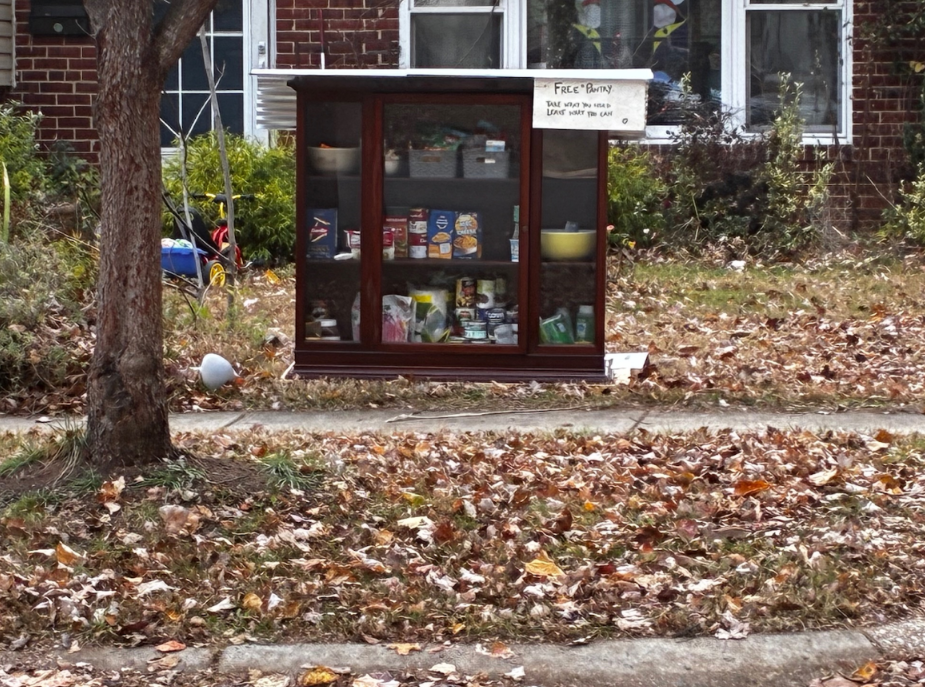
Nevertheless, Montgomery County Public Schools will continue to provide free and reduced meals and services (FARMS) to students receiving SNAP benefits. FARMS is supported by private organizations, rather than the government, and serves 49,000 students attending schools in MCPS. Additionally, the county has several informal programs that provide over a million meals a month to nearly a thousand families. Residents have also begun to set up food banks for those whose SNAP benefits have been cut.
RM community members shared their thoughts about the issue. “If [the cuts get passed], this would have profound impacts on many across the country and within our community. In my opinion, the government, to some extent, has a responsibility to attend to the welfare of its citizens, so without any compensation or replacement programs, I would argue against it,” junior Alan Lu said.
In addition, Lu also expressed concern at the possible effect the changes would have on immigrants. “A little bit of money can go a long way, and based on my current understanding, it seems like President Trump is indirectly trying to target immigrants with these cuts, which makes the situation worse,” he said.
Clubs at Richard Montgomery have been assisting at food banks to get food to those in need, which serve as one of the only remaining options for those who are facing cuts. The canned food drive, organized by social studies teacher Kerri Fry and RM’s Student Government Association, spanned from Oct. 27 to Oct. 31 and provided thousands of cans to families in need. In addition, clubs like So What Else have volunteered to assist at food banks, distributing healthy food to the Rockville community. Churches such as Hughes Unitarian in Wheaton and Grace Episcopal in Silver Spring have also organized food pantries and drives, and nonprofits like Shepherd’s Table have been serving food and providing counseling services to those in need for years, with services having recently been ramped up to help address the ongoing crisis. Programs such as these have kept Montgomery County residents afloat.
Aside from organizing donations and giving food directly, however, there are other ways to draw attention to the issue. “A commonly overlooked method in my opinion is simply spreading awareness about food inaccessibility. It is important to share a factually accurate and non-biased account of the situation – food inaccessibility is a real struggle for many, and the more people that know about it, the more people will help out,” Lu said.
If you would like to voice your opinion on an issue you feel is relevant to our community, please do so here. Anyone is able and welcome to submit a Letter to the Editor, regardless of journalistic experience or writing skills. Submissions may be published either online or in a print issue.


