Self-studying, study groups, experiments, planning. That’s just some of what goes into running Richard Montgomery’s Science Olympiad team. With over 100 members, this team is filled with students with a passion for science.
Science teacher Randy Decker, the new sponsor for the team this year, has enjoyed working with the Science Olympiad organization so far. “Science Olympiad is the ultimate science geek competition,” Mr. Decker said.
Mr. Decker handles the paperwork as well as coordinating with parents, but the majority of the team is managed by the captains. “The leadership roles are self-selected,” he said. “As an advisor, I identify students that I think are just consistently showing up, consistently contributing to the team. And then I have them kind of self-select, take on responsibilities.”
The jobs of the captains are important, as they are the heads of the team. The captains are in charge of things like identifying competitions for the team to participate in, as well as creating study groups. They manage most of the aspects of the team, such as paperwork and identifying materials for the team.
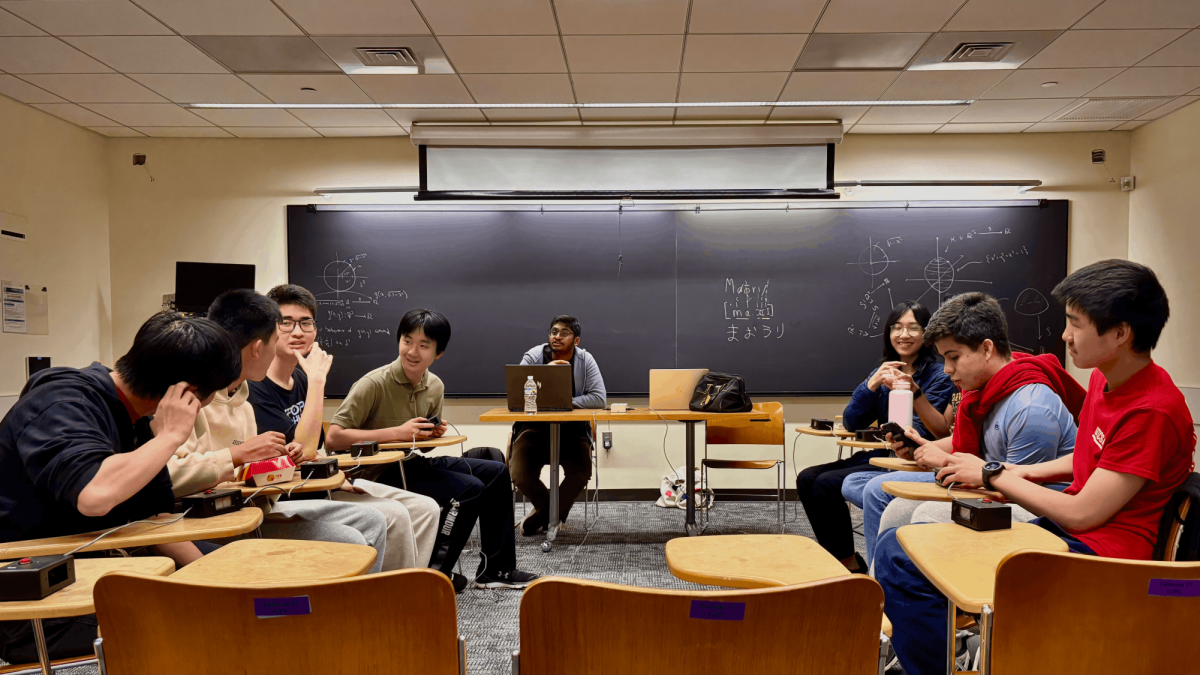
Tournaments are a big part of the Science Olympiad. “The reason why we do so many tournaments is that we have so many people,” senior Michael Wong, one of the team captains, said. These tournaments consist of multiple events, each with their own theme. Each person usually has a few events that they work on in small groups, usually consisting of two or three people.
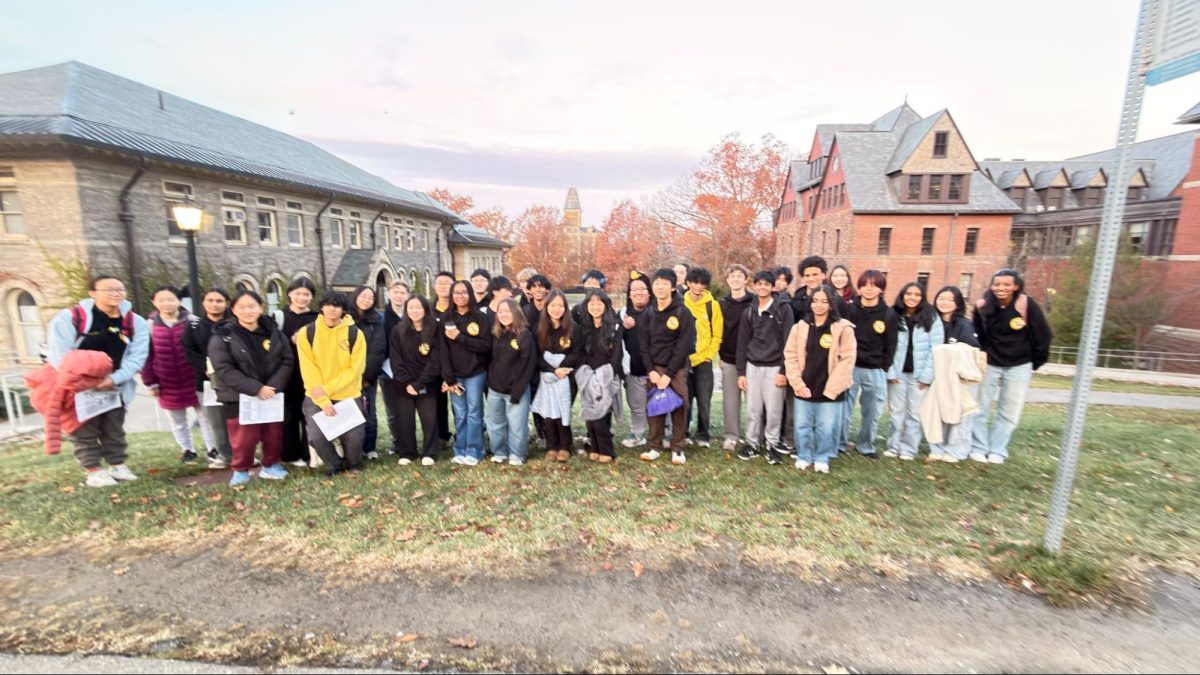
(Photo Courtesy of Randy Decker)
There are a variety of science-related subjects that can be found in the tournament events, from anatomy to genes to botany, that appeal to members’ individual interests. “I really enjoy forensics because it’s a hands-on event where you actually test substances,” freshman Richy Shi said.
Sophomore Pritish Mukherji shared how the Science Olympiad helped him find his preferred subject in science. “I joined Science Olympiad because I was interested in science, but I didn’t really know [in] what area of science at the time,” he said. “I joined it and then I got to learn over time what I actually enjoyed: I really like biology.”
A recent in-person tournament the team competed in was at Cornell University. They also competed in a virtual competition Dec. 5 called the Boyceville Satellite Invitational, where they placed top fifty in events like Entomology, Robot Tour and Materials Science.
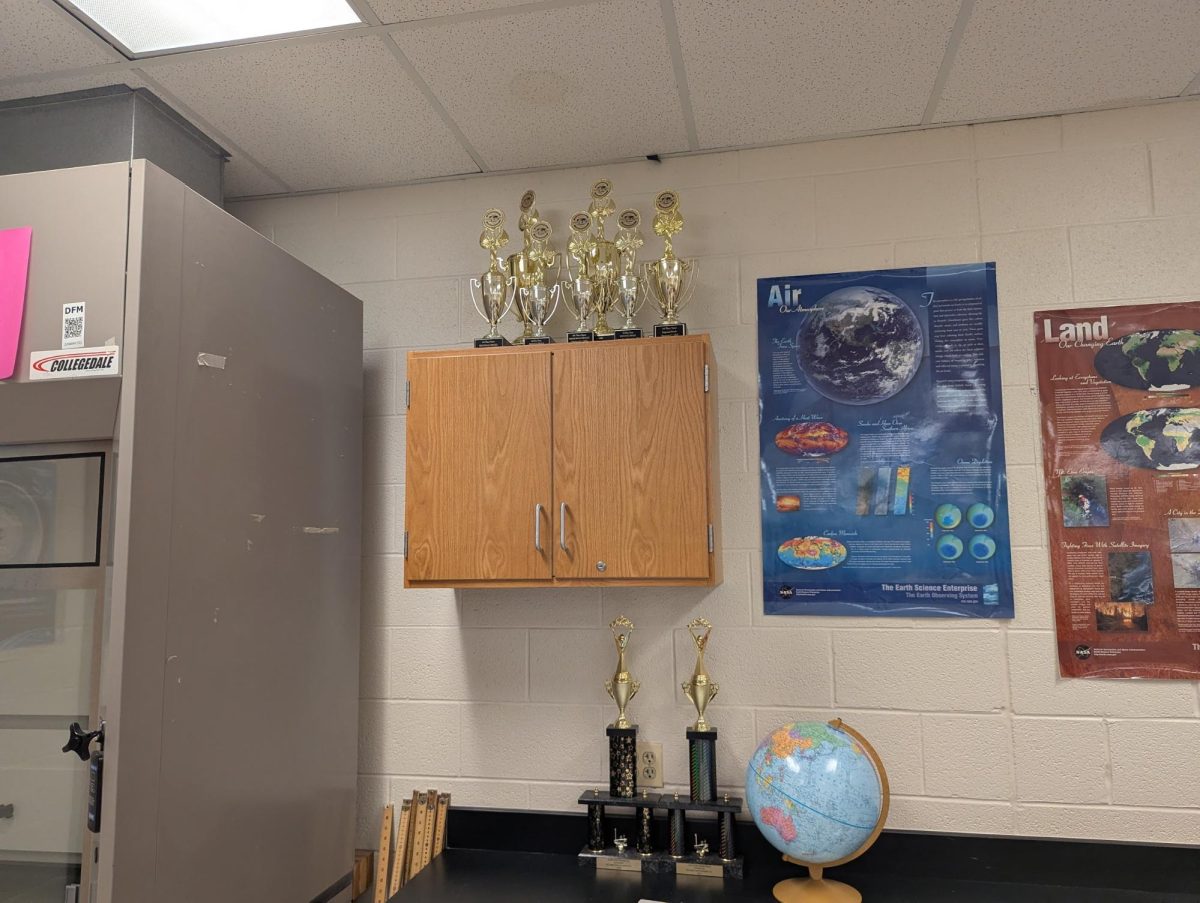
The Science Olympiad club always strives for excellence, and is constantly set on performing well in competitions. “I think our biggest goal is going to be doing well at states,” Wong said. “Hopefully, we can make it to nationals and get first at states. But even second place, third place, I’d be super happy.”
The team culture of the Science Olympiad involves mentorship, leadership, collaboration and the integration of new members. Team members are encouraged to try their best, and there is a strong support system and bond in the team, where they constantly lift each other up. “It’s generally very supportive,” Mukherji said. “It’s definitely a very complicated club so definitely a big part of the process especially at the beginning of the year is telling the freshmen what to do and how to do stuff, showing them all the tools they need…We have a lot of good team chemistry, we all know each other and even though it’s a very big club.”
The process of preparation consists largely of study sessions held after school, where team members have the opportunity to get ready for the competitions by comparing notes, as well as taking practice tests. “A lot of the stuff will be on our own time outside of school, but we also do a lot of after school study sessions where we’ll have people stay after school, and we work on our builds,” Mukherji said.
These study groups can allow members to strengthen their knowledge, as well as get to know their fellow teammates. Textbooks also serve as a resource that teammates can use. “I also found some good YouTube channels, especially for the electricity and magnetism topics,” Wong said.
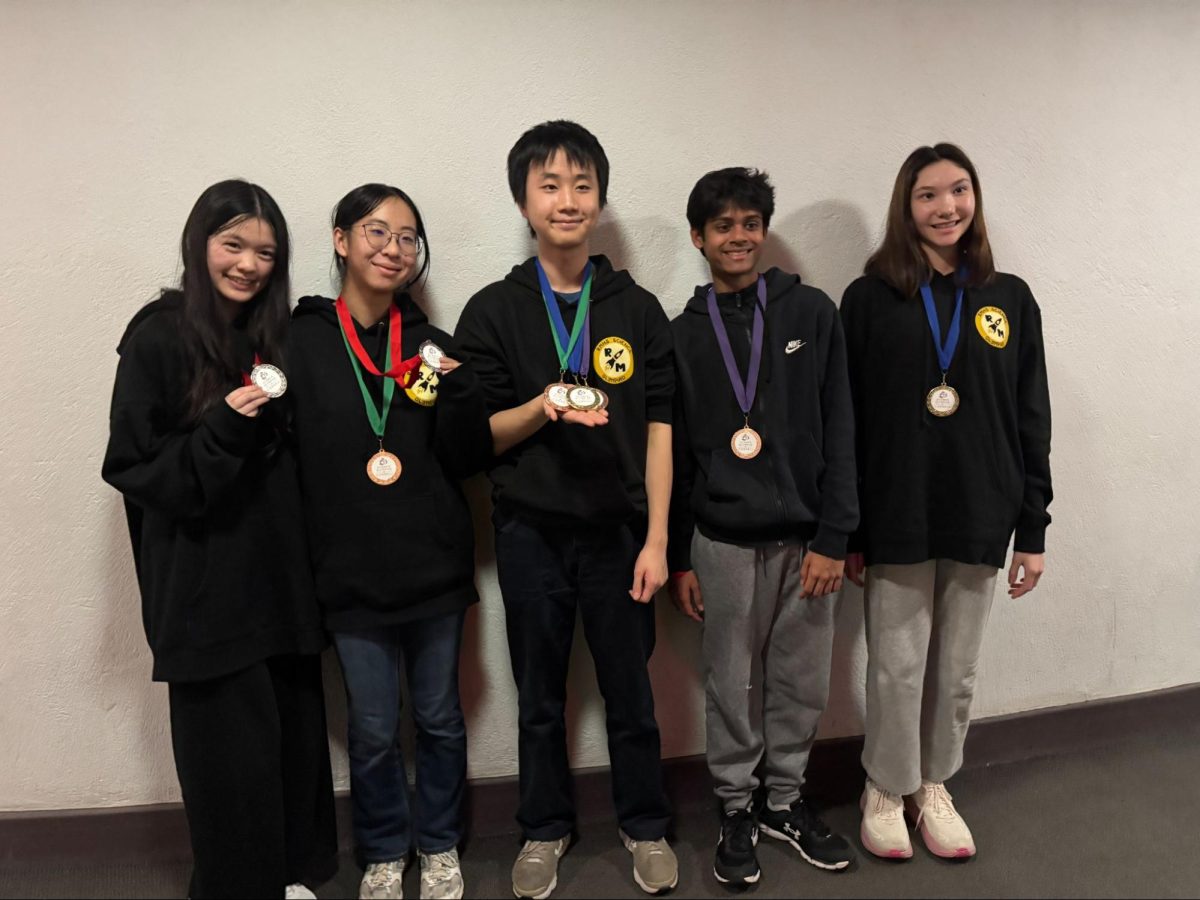
An important lesson many members end up learning is resilience. “I definitely learned how to persevere because there’s definitely a learning curve. You’re going to fail a lot. But at the end of the day, you keep trying and you improve,” junior Adanna Oji said.
If you would like to voice your opinion on an issue you feel is relevant to our community, please do so here. Anyone is able and welcome to submit a Letter to the Editor, regardless of journalistic experience or writing skills. Submissions may be published either online or in a print issue.